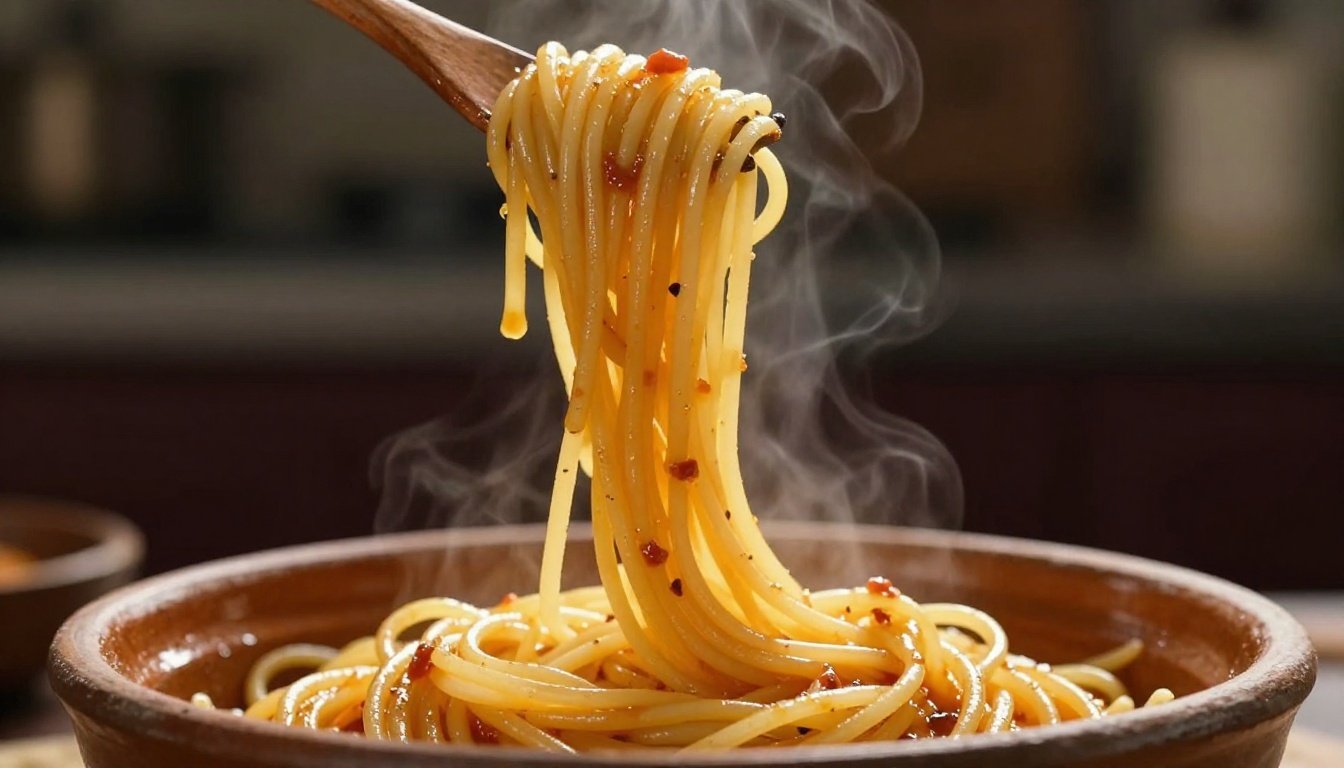
Tired of pasta that turns out bland, mushy, or glued together in a sticky mess? You boil water, toss in noodles, and end up with something far from that Italian dream on your plate. The fix isn't fancy ingredients. It's smart techniques that build flavor deep inside and nail the right bite. These pasta cooking hacks will change your game. You'll get superior taste and texture every time, right in your kitchen.
Section 1: Mastering the Water – The Foundation of Flavor
Water sets the stage for great pasta. It's not just a pot filler. It seasons and shapes the noodles from the start. Get this right, and your dish sings. Skip it, and you're stuck with plain results.
The Crucial Salt Ratio: Seasoning from Within
Salt the water like the sea tastes. That's the old rule, but why? It pulls flavor into the pasta through osmosis. The noodles soak up salt as they cook. This builds taste from the core.
Aim for one tablespoon of salt per four quarts of water. Or use your fist: a good handful per big pot. Taste the water first. It should feel briny, not bitter. This simple step turns basic pasta into something alive. No more reaching for extra salt at the table.
Starch Management: The Secret to Silky Sauce Adhesion
Too much water dilutes everything. Cooks often use a huge pot, but that rinses away starch. Starch is key. It helps sauce stick and shine.
Use less water, about four quarts for a pound of pasta. This keeps starch in play. Always save a cup of that cloudy water before you drain. It acts like glue for your sauce later. Add it bit by bit to thicken things up. Your forkfuls will coat perfectly, no pools on the plate.
Temperature Control: Achieving the Perfect Initial Cook
Start with cold water? Or jump to a boil? The truth sits in the middle. Bring water to a full rolling boil before adding pasta. Then keep it there.
A steady bubble prevents clumps. Stir once at the start to avoid sticking. Drop the heat a touch if it boils wild. This control leads to even cooking. No tough spots or soggy bits. Your pasta stays firm and ready for sauce.
Section 2: Technique Tweaks for Ideal Al Dente Texture
Now shift to how you cook. Timing and moves matter most for that perfect chew. Al dente means "to the tooth." It's firm, not soft. These tweaks lock it in.
Timing Beyond the Box: The True Al Dente Test
Forget the package time. It guesses for ideal conditions. Start checking two minutes early. Grab a strand and bite.
It should push back with a snap, but not crunch like raw. No white core inside. Test a few pieces. Shapes cook at different speeds—thinner ones faster. Practice this, and you'll sense doneness every time. Your pasta holds shape in hot dishes.
The Shock Tactic: Arresting the Cooking Process
Rinse pasta? Most say no. It washes off starch that sauce needs. But for cold salads, a quick cold water rinse stops cooking fast.
Run it under cool tap for seconds. This keeps noodles separate and crisp. For warm meals, skip the rinse. Let residual heat finish the job. That surface starch grabs sauce tight. Choose based on your recipe. Cold pasta stays fresh longer this way.
The Power of the Final Minute: Finishing in the Pan
Drain pasta one minute before it's done. Don't wait. Scoop it straight into your sauce pan.
The heat and liquid cook it the rest of the way. Stir well to coat. This blends flavors deep. No dry noodles or watery sauce. It's a pro trick for creamy results. Try it with carbonara. The eggs set just right.
Section 3: Elevating Sauces with Pasta Water Chemistry
Pasta water isn't waste. It's gold for sauces. That starch turns liquids into silky binds. Use it smart, and your dish levels up.
Emulsification Explained: Creating the "Mantecatura" Effect
Emulsification mixes oil and water that hate each other. Starch from pasta water bridges them. It stops splits and adds gloss.
Think of it like mayo magic. Whisk in pasta water to your butter or oil base. The sauce clings to every ridge. No more greasy tops or thin drips. This mantecatura—Italian for buttering—makes home pasta restaurant-fine.
• Add drained pasta and a ladle of water.
• Toss over low heat until thick.
Infusing Water with Aromatics for Deeper Flavor
Boost the water with extras. Toss in a bay leaf or smashed garlic. Or tie herb stems like parsley.
They release scents as pasta cooks. Drain them out later. The subtle notes soak into noodles. It's background flavor, not overpower. Garlic water shines in aglio e olio. Herbs lift simple butter tosses. Keep it light—one or two items max.
Fat-Based Finish: The Butter-Slurry Trick
End with fat for shine. Drop cold butter into the hot pan. Or swirl olive oil.
The warmth melts it slow. Stir to blend with sauce. This adds rich mouthfeel without grease. Use good oil—extra virgin for fruit notes. Butter brings creaminess to pesto. It's the final touch for wow.
Section 4: Post-Cook Best Practices for Flavor Integrity
After cooking, don't slack. Quick steps keep taste sharp. Mix right away. Hold off on extras till the end.
Toss Immediately, Don't Hold
Served pasta plain? It soaks up water and fades. Combine with sauce hot off the stove.
The steam helps flavors merge. Waiting dilutes everything. No colander baths. Plate and eat soon. This keeps texture crisp and taste bold.
The Role of Acid and Fat in the Final Toss
Brighten with acid last. Squeeze lemon over the lot. It cuts richness and wakes herbs.
Fat seals it—a drizzle of oil. Choose one that fits, like truffle for special nights. These lifts lift the whole plate. Taste before you add. A little goes far.
• Vinegar splash for cream.
• Oil for garlic bases.
Pairing Pasta Shape with Sauce Structure
Shape matters for hold. Rigatoni's ridges trap thick meat sauce. Spaghetti slides through light tomato.
Twists like fusilli grab pesto bits. Smooth tubes suit chunky veggies. Your hacks make texture prime. Match shape to sauce, and it all works. No slips or waste.
Conclusion: Your New Standard for Pasta Night
Master these pasta cooking hacks: salt water heavy, finish in sauce, and save that starchy water. They transform basic boils into flavor-packed meals. No more mush or bland bites.
You'll hit al dente every time. Sauces will cling and shine. Home pasta nights rival any trattoria. Grab your pot. Try one hack tonight. Your fork won't lie.