Stepping into the kitchen as a new cook can feel like facing a storm. Recipes look long and confusing. Pots and pans pile up fast. You might worry about burning food or wasting ingredients. But here's the good news. Kitchen hacks turn that chaos into simple wins. These easy cooking tips build your skills quick. They boost kitchen efficiency and lead to beginner cooking success. Stick with them, and you'll whip up meals without stress.
Prep Work Power-Up: Maximizing Efficiency Before the Heat Starts
Good prep sets you up for smooth cooking. It cuts down on last-minute scrambles. Think about it. Rushing mid-recipe often leads to spills or forgotten spices. Focus on organization first. Mise en place is your best friend here. It means everything in its place before you start. This hack saves time and keeps mistakes low.
The Art of Mise en Place for Beginners
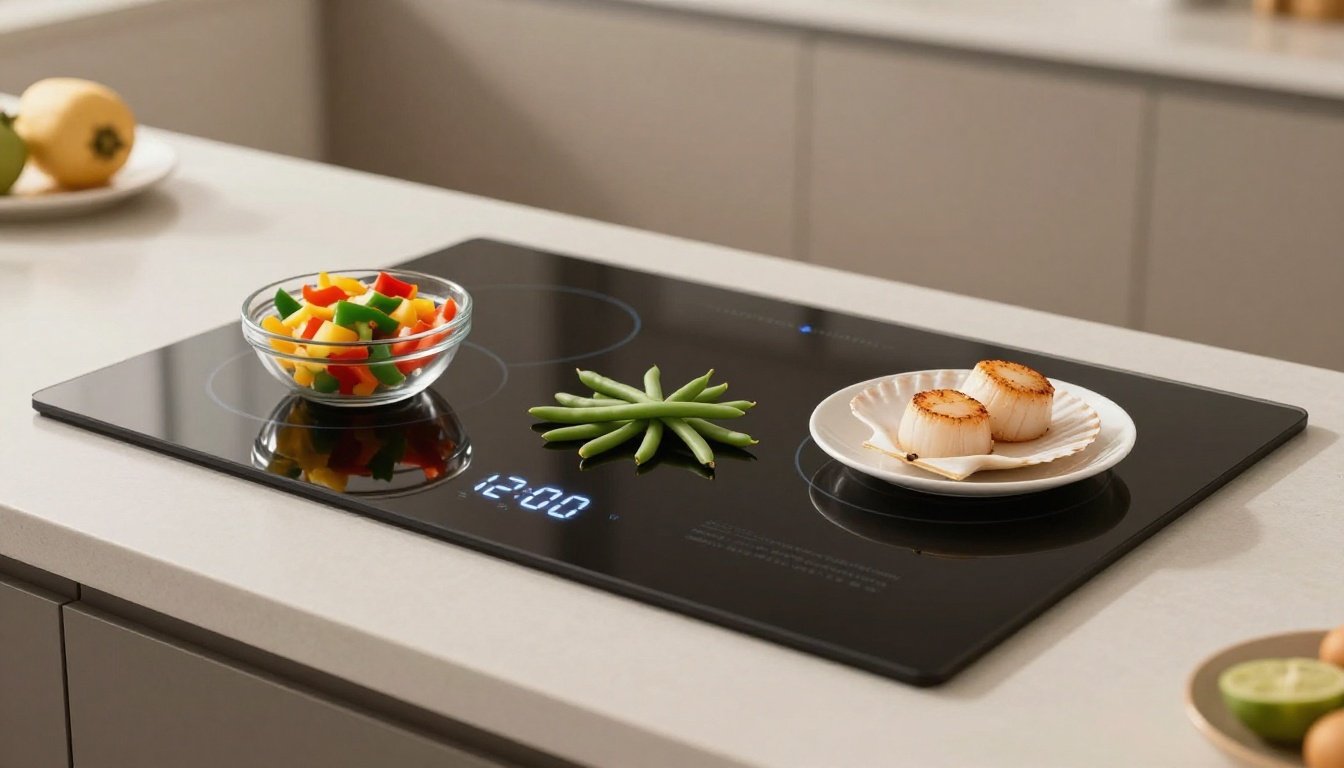
Mise en place keeps your workspace tidy. You measure out all ingredients ahead. No more hunting for salt while onions burn. For a basic weeknight meal, like stir-fry, grab a checklist. Chop veggies first. Measure sauces next. Set proteins aside last. Use small bowls that match in size. They hold prepped items neat. Skip dirtying extra cups. This way, you grab and go during cooking. Your meal flows better. Try it next time. You'll finish faster.
Knife Skills Shortcuts That Matter Most
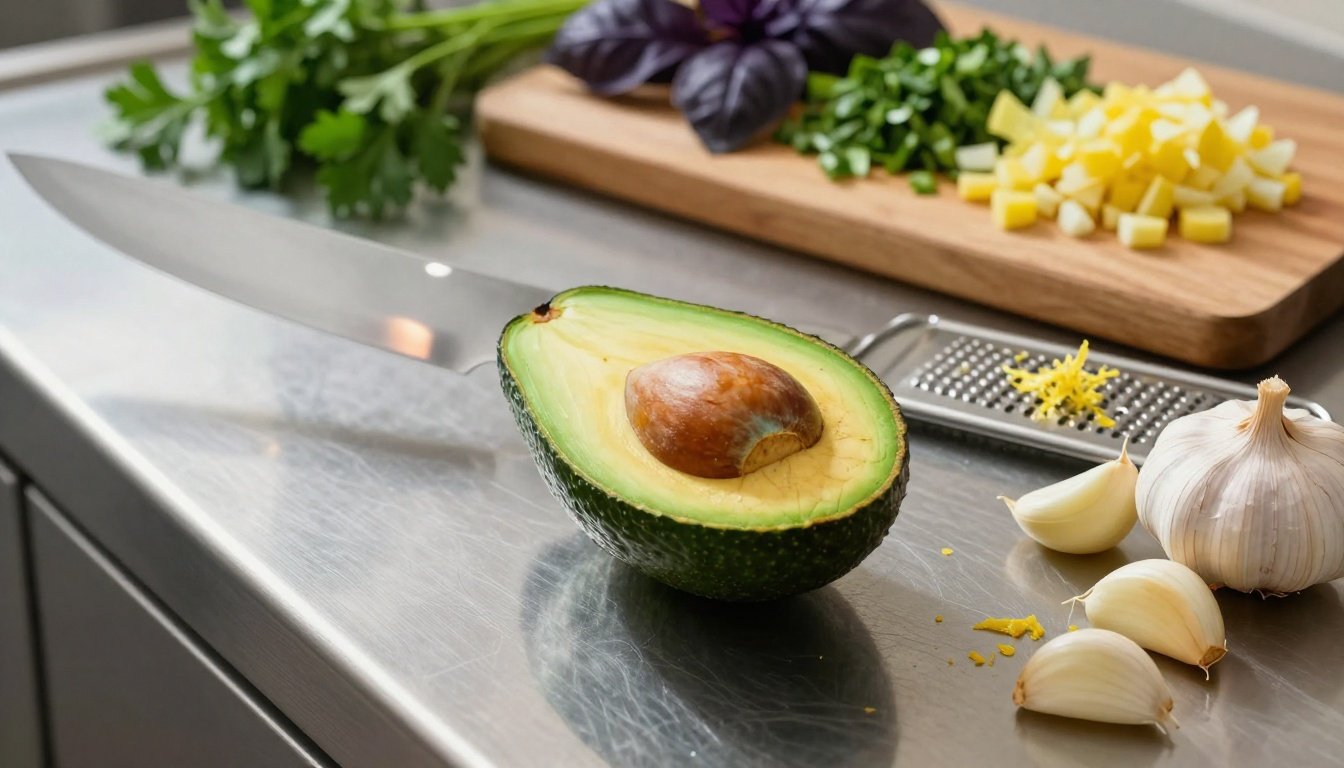
Sharp knives make cutting easy. But beginners need basic moves only. Start with dicing onions. Hold the knife steady. Rock it back and forth. For garlic, mince fine with quick chops. Safety comes first. Use the claw grip. Tuck fingers under as you slice. It guards your hand from slips. Dicing an onion right builds a strong flavor base. Soups and sauces taste richer fast. Practice on one veggie per session. You'll get the hang quick. No more tears or cuts.
Mastering Herb Preservation and Prep
Fresh herbs add punch to dishes. But they wilt fast in the fridge. Store basil like a bouquet. Trim stems and stand in water. Cover loose with a bag. It lasts weeks longer. For rosemary or thyme, strip leaves easy. Hold the top. Pull down against the stem. Quick and no waste. Keep a damp towel over other bunches. Change it every few days. Herbs stay crisp for meals. Your sauces and roasts pop with flavor. Simple steps like these make cooking fresh.
Heat Management and Pan Perfection
Heat control stops many cooking fails. Beginners often crank the stove too high. Food sticks or burns. Learn to manage it right. Pans heat even then. You'll sear meats brown. Veggies keep crunch. These tips fix uneven cooking. Sticking ends too. Your kitchen stays calm.
The "Hot Pan, Cold Oil" Rule Explained
Heat your pan first. Then add oil. It stops food from grabbing the metal. Wait till oil shimmers. Don't let it smoke. That's too hot. For stainless steel or cast iron, this works best. Food slides off clean. Try the water bead test. Drop water on the pan. If it dances, it's ready. Great for non-stick too. No fancy tools needed. Just watch and listen. Your proteins brown nice. Steaming turns to sizzling.
Preventing Overcrowding Disasters
Don't pile food in the pan. It drops the heat quick. Meat steams soft instead of crisps. Space items out. Leave room between pieces. For chicken, one layer only. Flip easy that way. The Maillard reaction happens right. That's the brown, tasty crust chefs love. From culinary school basics, it needs high heat and space. Cook in batches if needed. Wait till the first round finishes. Your dish tastes better. No soggy bites.
The Secret to Perfectly Cooked Eggs Every Time
Eggs trip up new cooks. Scrambled ones turn rubbery fast. Go low and slow. Medium heat stirs gentle. They stay creamy soft. Add a splash of milk. Whisk well before the pan. For poaching, add vinegar to water. It helps whites hold shape. Simmer, not boil. Swirl the pot first. Drop egg in slow. Two minutes tops. Pull out with a spoon. No sticking mess. Breakfast wins every day. Practice makes them pro-level.
Seasoning Smarter, Not Harder
Bland food kills the fun. Beginners salt too late or not enough. Build flavor step by step. Layers make dishes sing. Skip dumping everything at once. Taste as you go. Acid and fat help too. These hacks fix flat meals. Your cooking levels up.
When to Salt: Layering for Depth
Salt early for some foods. It draws out moisture in veggies. They soften nice. For meats, rub salt in before cooking. It sinks deep for even taste. Save final salt for the end. Adjust after flavors mix. Season in stages. Hit onions first as they cook. Then the protein. Finish with the sauce. Each layer builds. Your stir-fry or stew shines. No single-note blandness.
The Magic Trio: Acid, Fat, and Heat (AFT)
Acid wakes up rich dishes. A squeeze of lemon cuts through grease. Vinegar works too. Add it after heat. It brightens without cooking off. Balance fats like butter or oil. Heat seals it in. For creamy pasta, stir in lemon at the end. The sauce lifts light. Heavy stews need a teaspoon of vinegar. It cuts the weight. Taste changes big. Simple splash transforms ordinary to wow.
DIY Flavor Boosters You Already Own
Pantry items amp up meals. Toast spices in a dry pan. Cumin or paprika wakes quick. They smell strong and taste bold. For chili, stir in coffee grounds. It adds depth without coffee taste. Umami comes from anchovy paste. Or use Worcestershire in tomato sauce. A dash builds savoriness. No fishy bite. These hacks use what you have. Experiment small. Your sauces get restaurant edge.
Cleaning Up as You Go: The Efficiency Multiplier
Dishes stack high after cooking. It discourages the next meal. Clean smart during the process. Soak right away. Scraps go in one spot. Less scrub later. This keeps you cooking more. Kitchen stays inviting.
The Soaking Strategy: Pre-Cleaning Immediacy
Fill pots with hot soapy water now. Right after you empty food. Warm metal loosens bits. No hard scrub needed. Let it sit while you eat. Scrub comes easy. Set up a soaking station. One big bowl by the sink. Drop tools in during prep. It catches drips early. Your post-meal routine shortens. Cook again tomorrow without dread.
Garbage Bowl Dominance
Keep a big bowl on the counter. Next to your cutting board. Toss peels and scraps right in. No trips to the trash mid-chop. Packaging goes there too. It clears space fast. Use a compost bin if you have one. Veggie ends feed the garden. Counter stays clean. Focus stays on the food. Simple habit cuts clutter.
Simple Scrubber Substitutes
Baked-on gunk fights back. Make a baking soda paste. Mix with water. Rub on tough spots. It lifts sugar or grease. For saucepans, boil water and vinegar. Ten minutes steams off residue. Pour out and wipe. No harsh chemicals. These tricks save time. Your pans last longer. Clean kitchen means more cooking joy.
Conclusion: Building Lasting Kitchen Confidence
These kitchen hacks change everything for beginners. Mise en place organizes your start. Hot pan, cold oil nails the sear. Season in stages for bold flavors. Clean as you go keeps it fun. Pick one to try tonight. Like prepping onions for a quick soup. Cooking shifts from stress to skill. You'll make meals you love. Keep at it. Your kitchen waits ready.