Did you know the average American family throws out about 30 percent of their food each year? That's roughly $1,500 worth of groceries gone to waste. Poor storage habits play a big role in this mess, letting fruits rot and veggies wilt before you can enjoy them.
You can turn things around with simple changes. Proper food storage hacks save cash on your weekly bills. They cut down on trash that harms the planet. Plus, your meals taste better when ingredients stay crisp and flavorful. This guide shares easy steps backed by experts to keep groceries fresh longer. You'll learn fridge tricks, pantry tips, and freezer secrets that work right away.
Mastering the Refrigerator: Temperature, Placement, and Organization
Your fridge fights spoilage every day, but only if you set it up right. Keep the temperature steady at 35°F to 38°F to slow bacteria growth. Wrong placement speeds up decay, so think about zones before you stock shelves.
Poor organization leads to forgotten items that spoil fast. Label spots for quick grabs. This setup saves time and keeps food fresh.
Decoding Fridge Zones: Where Everything Belongs
The top shelf stays the most stable, so put dairy like milk and yogurt there. It avoids warm air from the door. The bottom shelf works best for raw meats, as any drips won't spread germs to other foods.
Middle shelves suit leftovers and ready-to-eat items. Keep them covered to block smells. This simple zoning cuts waste in half for many homes.
The Herb & Produce Drawer Dilemma: Humidity Control Secrets
Crisper drawers control moisture to keep produce happy. High-humidity drawers suit leafy greens like lettuce—they need damp air to stay crisp. Low-humidity ones work for fruits like apples, which like it drier to avoid rot.
Airtight vs. Breathable: Packaging for Perishables
Cheese needs a bit of air to avoid mold, so wrap it in parchment paper first. Then slip it into a loose plastic bag. This setup lets it breathe without drying out.
Pantry Preservation: Dry Goods Defense Against Pests and Moisture
Pantry items last months if you guard against dampness and bugs. Light fades colors and flavors, so pick dark corners. Moisture turns grains moldy, so check for leaks often.
Start with a clean space. Wipe shelves and use bins to group like items. This keeps pests at bay and makes rotation easy.
The Sealing Strategy: Transferring Grains, Flour, and Sugar
Dump bulk buys like rice or oats into airtight jars right away. Original bags let air and bugs in. Clear glass or plastic lets you see contents and check dates.
Essential Oils and Spices: Protecting Flavor Integrity
Spices lose punch fast in heat or light. Store them in a cool drawer, far from the stove. Opaque tins block sunlight better than clear ones.
Root Vegetable Rotation: Cooler, Darker Storage Solutions
Potatoes, onions, and garlic thrive in cool, dark spots around 45°F to 50°F. Skip the fridge—it turns starches to sugar and makes them sweet or mushy. Use a basket in a closet or basement.
Freezing Fundamentals: Maximizing Freezer Life and Quality
Freezers extend life, but errors like poor wrapping cause burn. Keep your unit at 0°F for best results. Overcrowding blocks cold air, so leave space.
Portion smart to avoid big thaws. Flat freeze items first on a sheet, then bag them. This prevents clumping and eases use.
The Art of Blanching: Preparing Vegetables for the Deep Freeze
Blanch veggies in boiling water for one to three minutes, then dunk in ice water. This stops enzymes that mush color and texture. Without it, frozen broccoli turns gray and limp.
Blanched veggies keep nutrients and snap when cooked. Try it on peas or corn for summer flavors year-round.
Preventing Freezer Burn: The Power of Vacuum Sealing and Submersion
Air is the enemy—it dries food and adds off tastes. Vacuum sealers suck it out for top protection. Bags crinkle tight around meats or berries.
These tricks keep frozen fish tasting fresh for six months. Rotate stock to use oldest first.
Labeling Protocol: Date, Contents, and Portion Size
Write clear labels with a marker: "Chicken, March 15, 2026—serves 4." It beats digging through frost. Use freezer tape that sticks in cold.
This system turns your freezer into a time capsule for meals. No more mystery blocks.
Countertop Conundrums: When to Store at Room Temperature
Not everything needs chill. Some items suffer from cold, like tomatoes that go mealy. Room temp ripens them right.
Pick spots away from heat sources. Direct sun or stove warmth spoils fast. Use bowls or hooks for easy access.
The Ripening Rules: Tomatoes, Avocados, and Stone Fruit
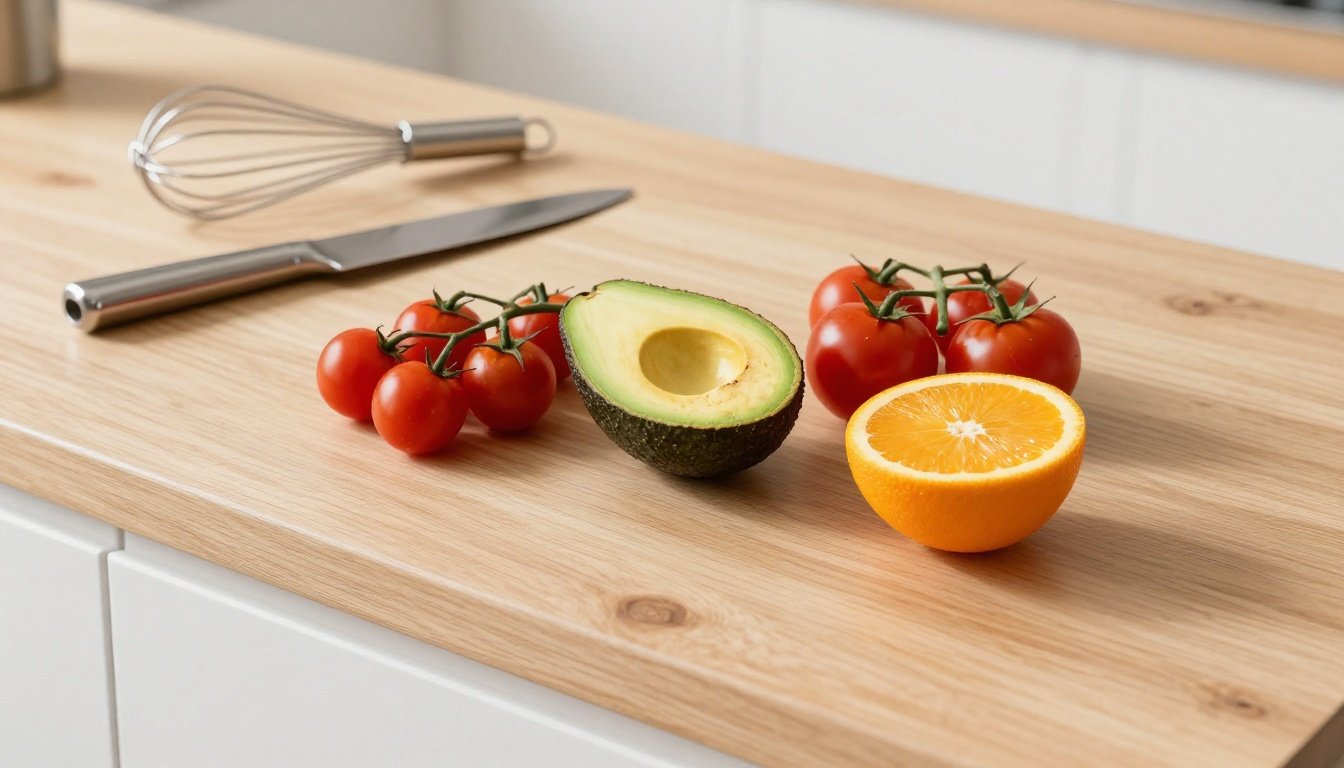
Climacteric fruits like tomatoes ripen off the vine at room temp. Fridge stops that, leading to bland bites. Keep them out until red, then chill for a couple days max.
Stone fruits, peaches or plums, taste best at room temp. Cold dulls their juice. Eat quick or freeze pits removed.
Bread Longevity: Fridge vs. Counter vs. Freezer
Fridge dries bread fast—staling happens twice as quick there. Wrap loaves tight in foil or beeswax on the counter for two to three days.
Fresh bakery bread? Eat it same day. These choices keep your sandwiches soft.
Oil, Vinegar, and Condiments: Light and Heat Damage
Oils like olive turn rancid in light or warmth. Store in dark bottles in a cupboard. It lasts a year without bitter notes.
Ketchup in the door works fine. These spots preserve tang for dressings and dips.
Conclusion: Your Action Plan for a Fresher Kitchen
Start with three big wins: check your fridge temp today, switch dry goods to airtight jars, and keep ethylene fruits apart from veggies. These alone slash waste by 20 percent.
You'll pocket savings and help the earth by dumping less food. Your kitchen runs smoother too, with less spoilage surprises. Adopt these food storage hacks now for meals that stay fresh and full of flavor. Build sustainable habits, one shelf at a time—your wallet and taste buds will thank you.